

Meet The Founder
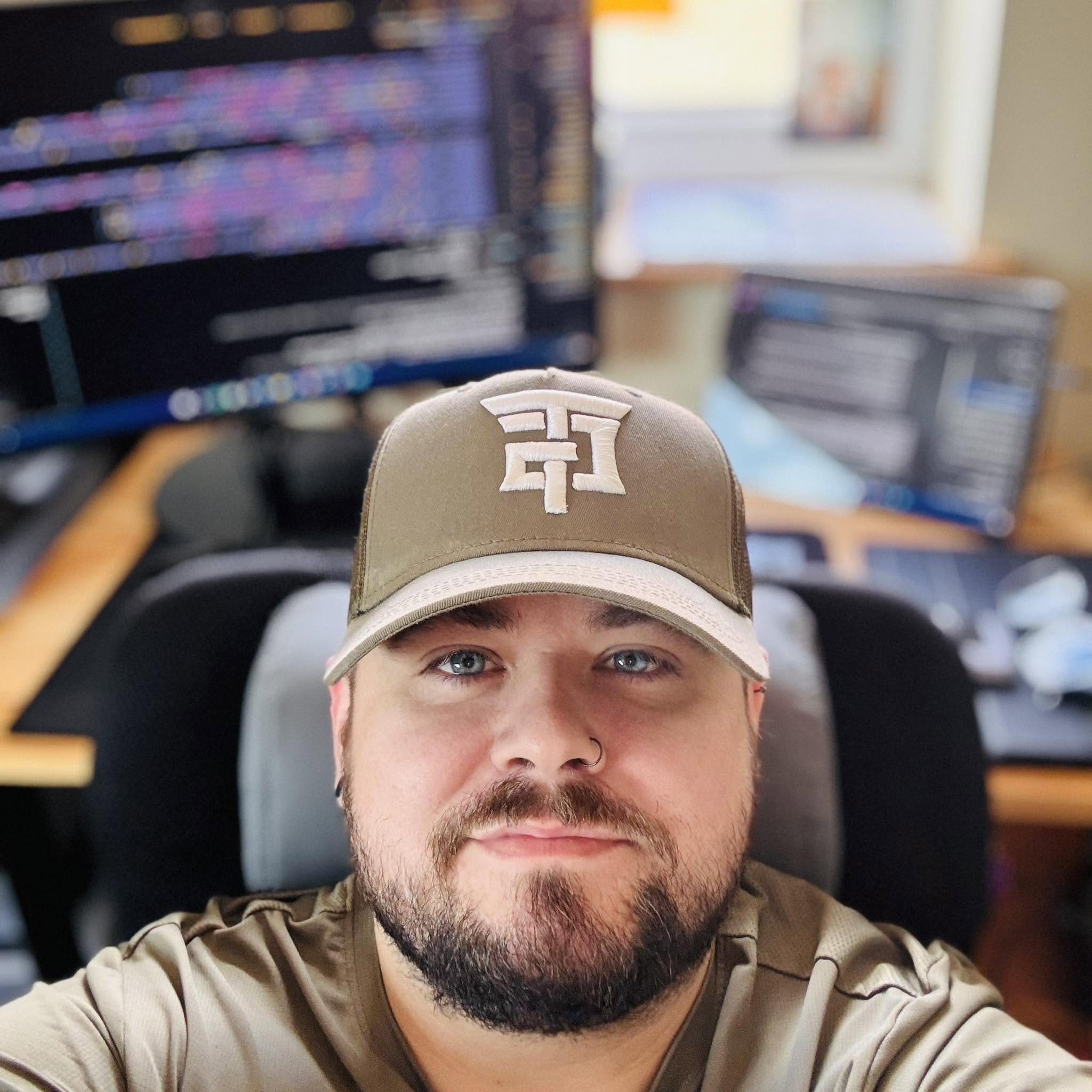
Hi, I’m Mitchell, and Moodii started with something pretty simple.
I’ve seen first hand what can happen when people don’t have the tools to understand or communicate how they feel.
Trauma, mental health struggles, addiction and suicide attempts can build quietly. Sometimes people want to talk but don’t know what they’re feeling, don’t have the words to explain it, or simply don’t want to feel like a burden.
I’ve had my own experiences with depression and addiction, and with not always knowing what I was feeling, why I was feeling it, or how to explain it to the people around me.
That stayed with me.
We live in a world where we’re more connected than ever, yet saying “this is how I actually feel” can still be incredibly difficult.
Moodii is my attempt to make that a little easier.
A simple, private way to share how you’re doing, understand the people you care about and support each other, without pressure, judgement or having to find the perfect words.
From an Idea to Moodii
The idea for Moodii started in my parents’ kitchen in January 2026.
A month later, sitting in Manchester Airport, I wrote the name Moodii down for the first time.
There was just one fairly significant problem:
I had absolutely no idea how to build an app.
No development background. No team of developers. No fancy office. So I learned.
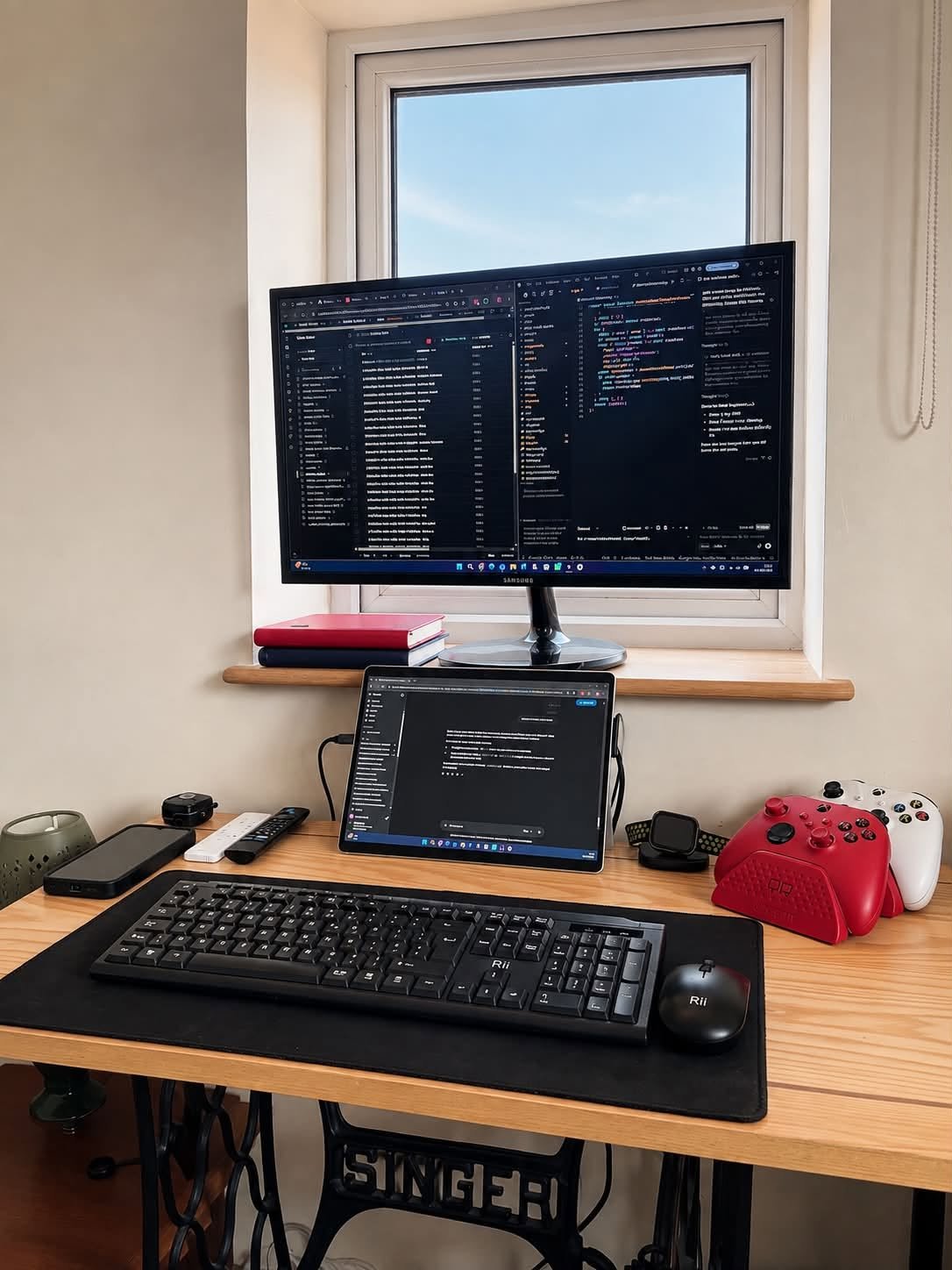
Most of Moodii was built right here, at this little desk in my Nan’s spare room, using a Windows tablet and learning everything as I went.
I got things wrong. I rebuilt things. I broke things. I fixed them. And I spent countless evenings trying to solve problems I didn’t even know existed a few months earlier.
Eventually, the idea that started around a kitchen table became a real app available on people’s phones.
And although I built Moodii myself, I definitely didn’t build it alone.
The people behind the person behind Moodii
There are a few people I need to thank.
My parents, Andrea and Jason, for believing in the idea, helping me turn it into something real and supporting me through everything that came with building it.
My partner, El, for her help, ideas, encouragement and, probably most importantly, putting up with the countless hours, conversations, changes of direction and “just one more thing I need to fix” moments along the way.
My sister, Courtney, and her partner, Vic, for their support, honest opinions and input throughout the process, and for being there while Moodii went from an idea I couldn’t stop talking about to something real.
My close friends, who listened to endless Moodii conversations, gave honest feedback and showed a frankly unreasonable amount of patience while I built, changed and rebuilt it.
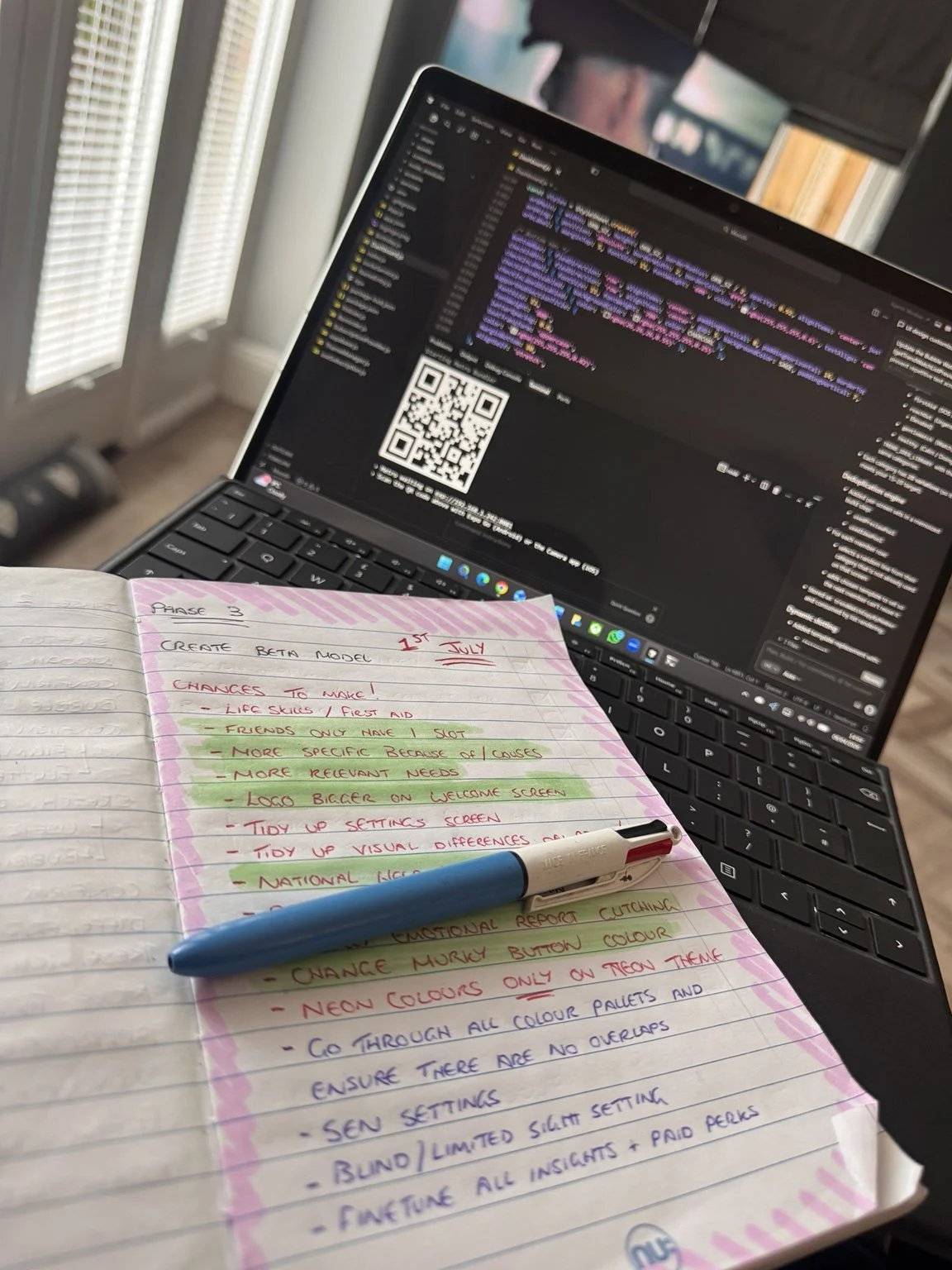
And every single person who joined the Moodii beta and helped me test it before launch. You used an unfinished app, found the things that didn’t work, told me what you liked, told me what you didn’t and helped turn Moodii into something far better than I could have created on my own.
Some of you were there from the earliest versions, when things were still rough around the edges, and your patience, feedback and willingness to keep testing genuinely helped shape the Moodii that exists today.
Moodii might have started as my idea, but it became what it is because a lot of people were willing to believe in it before it was finished.
To all of you, thank you.
Why it matters
I don’t expect Moodii to solve everything.
It isn’t supposed to.
But if it helps someone tell the people they love that they’re struggling when they otherwise wouldn’t…
If it helps a partner realise that “I’m fine” doesn’t necessarily mean fine…
If it helps a parent, friend or family member understand what someone needs rather than having to guess…
Or if it simply helps someone feel understood a little sooner…
then Moodii is doing what I built it to do.
And there’s something else I hope the story behind Moodii shows.
You don’t always need the perfect qualifications, experience, funding or setup to start something you believe in.
Sometimes you just need to start and be willing to learn the rest along the way.
I had no idea how to build an app.
So I learned.
And this is where it led.